|
|
|
|
February brings a powerful collection of stories, expert perspectives, and practical reflections from across the SEND community.
|
|
|
|
|
This month we have explored themes of emotional wellbeing, representation, school culture, and the healing potential of nature. All through the lens of lived experience by collaborating with inspiring SEND advocates and professionals.
|
|
|
|
|
|
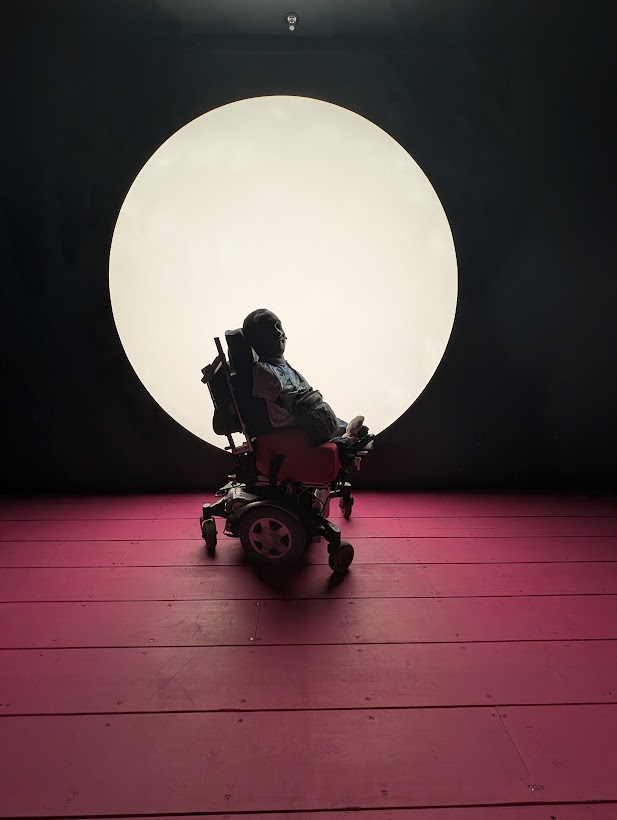
A Q&A with Isaac Harvey: Storytelling, Representation, and the Power of Lived Experience
In this inspiring Q&A, creator and disability advocate Isaac Harvey shares how storytelling can shift perceptions, empower young people, and challenge the narratives that limit them.
|
|

|
|
|
His reflections are honest, energising, and a reminder of why lived experience must be at the centre of every conversation about disability.
|
“I will always see myself as a storyteller first and an advocate second, but if it leads to meaningful impact, I cannot complain.”
|
|
|
|
|
|
Nature as Therapy: Tackling Teen Anxiety Through Outdoor Learning
With anxiety rising among teens, especially those with additional needs, nature‑based learning offers a powerful alternative to traditional interventions.
|
|
This blog includes a Q&A with Raw Learning's founder, Rachel King. She explains how outdoor environments support emotional regulation, reduce stress, and create space for young people to reconnect with themselves, often in ways traditional classrooms can’t.
|
|

|
|
|
|
|
Being outdoors lowers cortisol. It reduces heart rate and muscle tension. It gives the brain a break from the sensory overload of classrooms, corridors, and crowds. For neurodivergent learners, who often live with heightened sensory sensitivity, this shift can feel like stepping out of a storm.
|
|
|
|
|
|
The Emotional Cost of Navigating SEND Systems: A Q&A With Tina Cockram
|
Behind every form, meeting, and assessment lies a family carrying an emotional load that often goes unseen. In this thoughtful conversation, Tina Cockram from SEND Family Support speaks candidly about the toll of navigating SEND systems.
|
|
|
|
|
Her insights shed light on what families face daily and what true support should look like.
|
Families shouldn’t have to fight this hard, but until the system changes, support networks, clear information, and compassionate guidance can make the path less exhausting.
|
|
|
|
|
|
School Culture, Autism, and the Changing Landscape of Neurodiversity
|
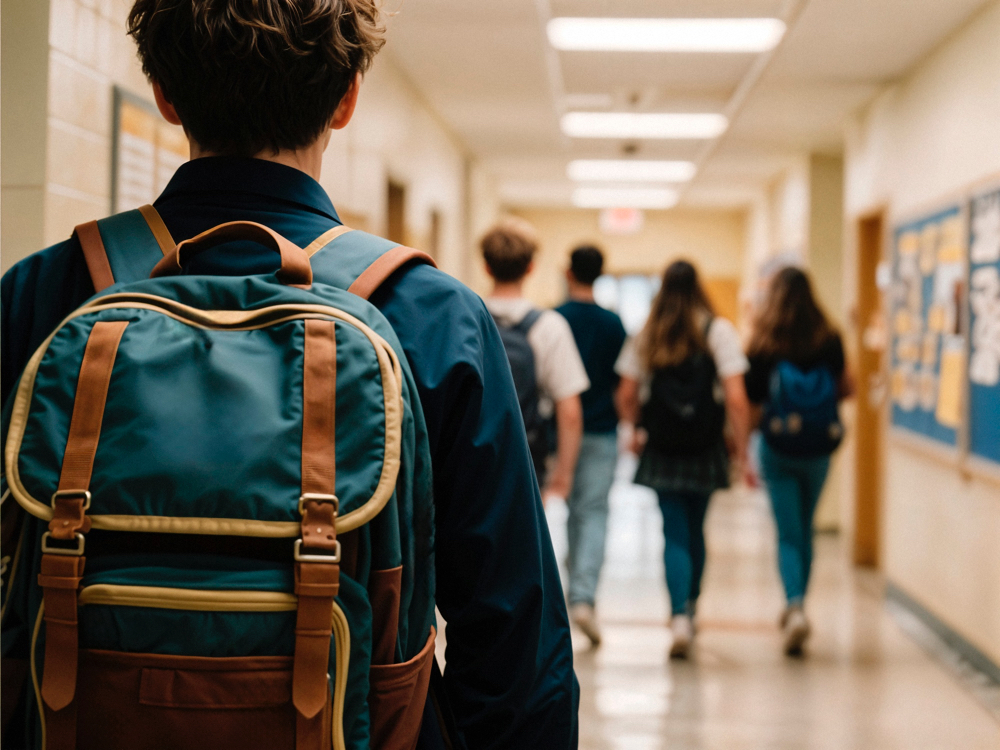
School culture and social dynamics play a huge role in how a young person feels about attending school. For many autistic learners, the social climate of a school is one of the biggest factors influencing their day‑to‑day experience. This piece explores how behaviour policies, sensory environments, and staff attitudes shape inclusion far more than paperwork ever could.
|
|

|
|
It’s a call for schools to move beyond compliance and toward genuine, neurodiversity‑affirming practice.
|
|
|
|
School culture around autism and neurodiversity is evolving, but it’s not finished. Young people are noticing the improvements, but they’re also feeling the gaps. Their voices remind us that inclusion isn’t a policy, it’s a lived experience.
|
|
|
|
|
|
✨ Before You Go…
Every month, we’re reminded that the SEND community isn’t powered by systems...
|
The storytellers, the quiet changemakers, the young people who communicate through creativity, and the advocates who refuse to let the world shrink their possibilities.
|
If you read one thing this week, let it be something that expands your sense of what’s possible for our learners. And if you share one thing, let it be a story that deserves a louder echo.
|
We’ll be back next month with more news, updates, and advocates making a difference.
|
|
|
|
|
|
|
|
|
|
|
If you have questions or need advice, get in touch, we're here to help:
|
|
|
|
   
|
|
|
|