
SEN Stories

SEN Stories
Nov 20
4 Min Read
Being in an Inclusive Classroom Doesn’t Always Mean Feeling Included
Having the right facilities and support in place is one thing, but being acknowledged, respected and treated as an individual is another. In this guest article for SEND Tutoring, disability advocate Isaac Harvey MBE explores the difference between being present in a classroom and truly belonging in it.
SEN Stories
Nov 20
7 Min Read
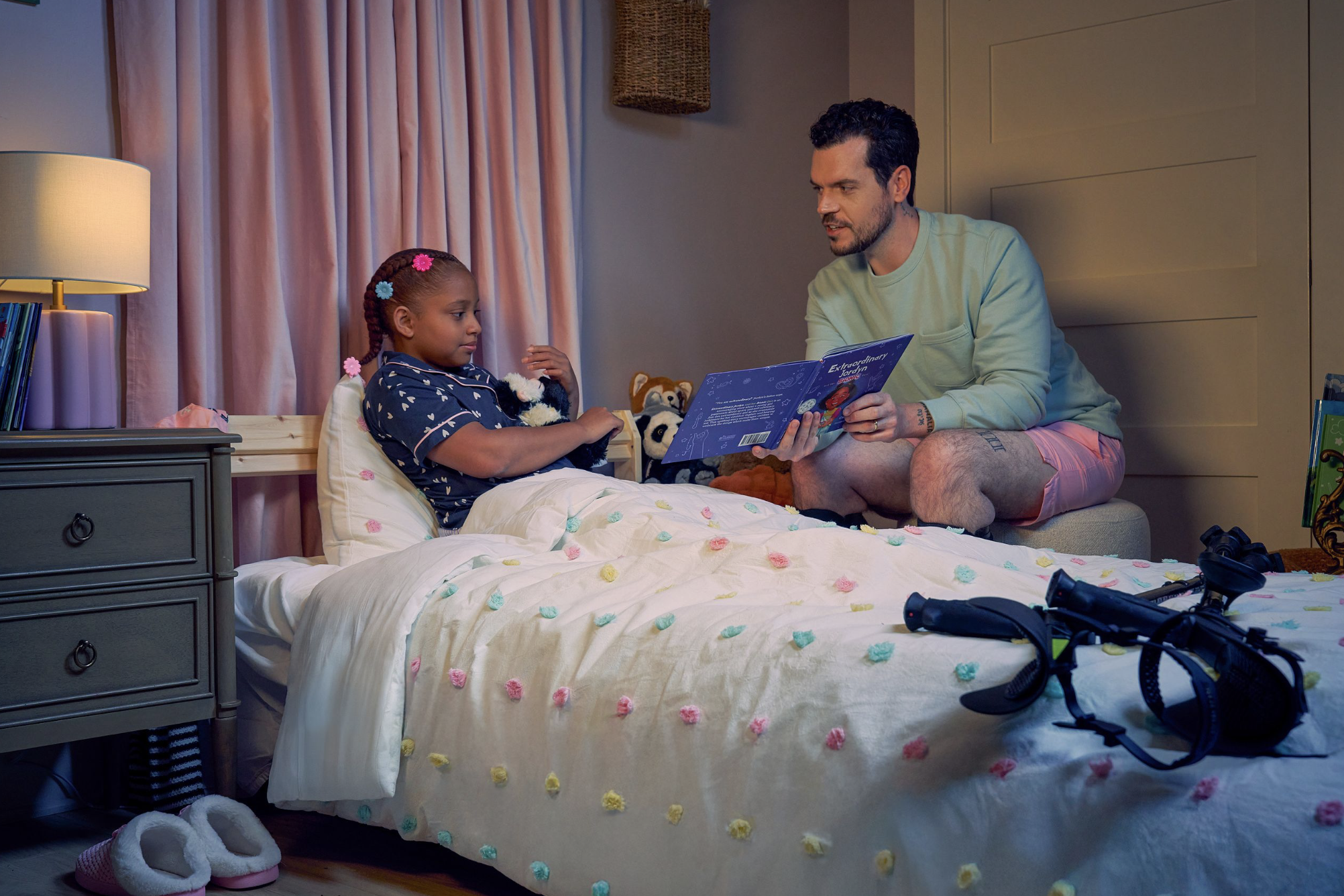
More Than Words: Making Reading Accessible for Everyone
Every Cherry Publishing is challenging the idea that everyone should experience books in the same way. From simplified text and dyslexia-friendly fonts to helpful symbols, audiobooks and signed videos, its approach is built around a simple principle: readers should have options.

SEN Stories
Oct 30
13 Min Read
Finding Work That Works: A Career Guide for Parents of Children with SEND
Finding a job is one thing. Finding one that fits around the realities of raising a child with special educational needs and disabilities (SEND) is another.

SEN Stories
Sep 18
7 Min Read
A Helping Paw: How Autism Assistance Dogs Support Young People
When a dog helps with regulation and confidence outside the home, it often has a knock‑on effect on other parts of life too, including learning.

SEN Stories
Aug 27
24 Min Read
Different Is Brilliant: Revisiting Iris Grace Ten Years On
The years of teenagehood, travel, animals, home education, community‑building, and family change that shaped the decade that followed. It’s a chance to hear directly from the mother who lived it, in her own words.

SEN Stories
Aug 07
6 Min Read
From Stuck to Seen: Why The Hidden 20% Exists
When society misunderstands neurodivergence, schools and families often inherit those misconceptions. When society learns to recognise strengths, value differences and design better systems, children benefit first.

SEN Stories
Jul 15
7 Min Read
Beyond the Label: Rethinking How We Describe Autistic Support Needs
We don’t need to erase the concept of support needs. We just need to stop “keeping score”. Stop assuming visible behaviour tells the whole story.

SEN Stories
Jun 24
14 Min Read
“If I Can, You Can”: Joshua Hoskins’ Insight Into What Inclusive Workplaces Should Look Like
When employers focus on strengths rather than assumptions, everything changes. Strength‑based recruitment helps employers see what a young person can do, rather than what they imagine they can’t.

SEN Stories
Jun 05
11 Min Read
BlockJam Counselling: A Q&A With MindJam
What struck us most, after speaking with Adam and Emily, is how deeply this approach honours the way neurodivergent young people naturally communicate. So many of the children we work with have rich inner worlds, vivid imaginations and a huge amount to say, but only when they feel safe enough to say it.

SEN Stories
May 06
9 Min Read
SEND Fest 2026: Save the Dates!
With three major events across Essex, plus more venues currently in discussion, 2026 is shaping up to be a landmark year for SEND‑centred celebration. Let’s take a look at what’s in store this summer.

SEN Stories
Apr 22
8 Min Read
High Ability Isn’t Always Obvious: Understanding the Learners Who Don’t Fit the Stereotype
Many high‑ability children move through the world with a depth or intensity that sets them apart from their peers. They may prefer older children or adults, struggle with small talk, or find playground dynamics confusing or uninteresting.

SEN Stories
Apr 21
7 Min Read
Communication Difficulties? Or Communication Differences? Understanding the Many Ways Children Communicate
When we broaden our understanding of communication, we stop looking for “missing speech” and start noticing the communication that’s already happening.