
Anti-Bullying Week 2026: Breaking the Silence for Children with SEND
When we think about bullying, we might picture name-calling, pushing or someone being deliberately cruel. But bullying can also be much harder to spot. For children with SEND, differences that should be understood and supported can sometimes become reasons for others to single them out.
Nov 19
Summary
This year’s Anti-Bullying Week, coordinated by the Anti-Bullying Alliance, focuses on the theme ‘Break the Silence’.
When a child is being bullied, speaking up isn’t always easy. This Anti-Bullying Week, we’re looking at why listening matters just as much as finding the courage to speak.
A child might come home from school unusually quiet. They might stop talking about their friends, complain of feeling unwell in the mornings or suddenly dread a lesson they used to enjoy.
Sometimes, they’ll tell you exactly what’s wrong. Other times, they won’t have the words to explain it.
For children with special educational needs and disabilities (SEND), experiences of bullying can be particularly difficult to talk about. Some may struggle to recognise or explain what’s happening, while others might worry that speaking up will only make things worse.
This year’s Anti-Bullying Week, coordinated by the Anti-Bullying Alliance, focuses on the theme ‘Break the Silence’.
It’s a powerful message, but one that raises an important question: what happens when a child tries to speak up and nobody really listens?
Bullying Doesn’t Always Look the Way We Expect
When we think about bullying, we might picture name-calling, pushing or someone being deliberately cruel. But bullying can also be much harder to spot.
It might be a child who is repeatedly left out of playground games. Someone making jokes about the way another pupil speaks or moves. A friendship group deliberately ignoring someone or classmates laughing when a child needs extra help.
For children with SEND, differences that should be understood and supported can sometimes become reasons for others to single them out.
An autistic child might be mocked for taking things literally. A pupil with ADHD might be labelled annoying or disruptive by their peers. A child with a physical disability might find themselves excluded from activities before they’ve even had the chance to join in.
And sometimes, the bullying is disguised as harmless fun.
“It was only a joke.”
“We were just messing around.”
“You’re being too sensitive.”
But when the same child is repeatedly made to feel embarrassed, unwanted or different, it stops being funny.
The effects can follow them long after the school day ends.
What If Speaking Up Isn’t That Simple?
We’re often quick to tell children experiencing bullying to speak to a teacher or trusted adult.
That’s important advice, but it isn’t always straightforward.
Some children can find it difficult to explain what happened, especially if they’re already upset or overwhelmed. Others might have experienced bullying for so long that they’ve started to believe it’s simply something they have to put up with.
And for children who communicate differently, speaking up might not involve speaking at all.
They might express their feelings through drawings, writing, changes in behaviour or a growing reluctance to attend school.
Breaking the silence shouldn’t mean expecting every child to find the perfect words. It means recognising that children communicate distress in different ways and making sure we’re paying attention.
Sometimes the most important thing an adult can do is notice that something has changed and gently ask why.
Supporting Anna Kennedy Online’s ‘Give Us a Break!’ Campaign
This Anti-Bullying Week, we’re also pleased to support the brilliant work of Anna Kennedy Online, whose long-running ‘Give Us a Break!’ campaign continues to challenge bullying and champion autism acceptance.
Led by Anna Kennedy OBE, the charity has spent many years raising awareness of the experiences of autistic children, young people and adults. For this year’s campaign, charity ambassador Kieron Lee has created six new posters, each exploring a different aspect of bullying, acceptance and belonging.
The messages encourage people to think about the impact of their words, the importance of standing up for others and the difference between a harmless joke and behaviour that causes real hurt.
They’re a brilliant starting point for conversations in classrooms, homes and communities.
We’re proud to stand alongside Anna Kennedy Online in supporting this campaign and encouraging more people to recognise, challenge and speak out against bullying.
Explore Anna Kennedy Online’s anti-bullying campaign and resources
Breaking the Silence Through Art: Piluca’s Anti-Bullying Mural
Art can be a powerful way to share a message, especially when words are difficult to find.
Artist Piluca Camino Alcon has created a striking mural in support of Anna Kennedy Online’s Give Us a Break! campaign, using her creativity to help spread the message that bullying should never be accepted.

Piluca is a visual storyteller whose work includes street art, murals and paintings. She also has a strong connection to community projects, having worked with children and supported artists with learning disabilities through creative activities
We had the pleasure of meeting Piluca at this year’s Autism’s Got Talent event, making it especially lovely to share her artwork with our SEND Tutoring community.
As a long-time supporter of Anna Kennedy Online, Piluca has continued to use her artistic talents to champion causes she cares about. Her anti-bullying mural is another example of how creativity can bring attention to important issues and encourage people to stop and think.
It’s also a wonderful fit for this year’s Break the Silence theme. Art gives people another way to express themselves, share experiences and start conversations that might otherwise be difficult to have.
Explore more of Piluca’s artwork at PilucaWorld.
‘I Don’t Feel Safe at School’: Freya’s Story
One story that captures this particularly well comes from Freya Prince, a young performer who turned to poetry and dance to express what she was experiencing at school.
In an article shared by Anna Kennedy Online, Freya’s family explained that she wrote a poem during a particularly difficult period in her education.
Her mum had encouraged her to write down how she was feeling so they could share it with her GP. But rather than making a list of worries, Freya wrote a poem called I Don’t Feel Safe at School:
‘I Don’t Feel Safe at School
I wake up the dread the worries,
It’s like a whirlpool, swirling, whirling, pushing me down, down a deep dark hole.
My hand grips tight to my safety net,
But I am pulled away, knowing what will come next.
That feeling I know so well,
It’s back again, making me feel so unwell.
I don’t feel safe at school.
The smirks, the looks, the whispers, the names
And the words that hurt,
I try to push them down, but they won’t leave—
When can I go home, and just breathe?
The noise is deafening like a thousand fireworks all at once.
The smell is overwhelming too much for me to stand.
Where is my safety net of my mums familiar hand,
The lights cut through me like a million swords
When is it time to go home?
Staring at a the whiteboard makes me want to shout and let my feelings out.
The SATs talk is tiring it makes me want to run,
It makes me want to scream and cover my ear drums.
When is it time to go home?
The scrape of chairs the stamp of feet the pushing the grabbing the shouting the pouting,
The line that’s not straight.
The waiting to go, to go and feel safe,
Please, someone tell me, when can I go home?
The balls flying everywhere the guineapig that’s no longer there.
The mean girls, the bullying, it goes on and on,
I just want to curl up, to be left alone—
I am silently sulking,
When can I go home?
The clatter of plates, the tasteless horrible food,
The noise is too much, I feel so sad,
The tiredness hits, I’m feeling so weak—
When can I go home and just be me?
The clock ticks on, but time moves slow,
A constant battle I don’t know how to outgrow.
I wait for the bell, for the day to end,
Hoping tomorrow won’t break me again.
I Don’t Feel Safe at School.’
By Freya Prince
Through her writing, she describes the exhaustion of navigating bullying, overwhelming noise, bright lights and the constant wish to go home. It’s a moving account of what school can feel like when the place you’re supposed to learn no longer feels safe.
Freya later choreographed a dance to accompany her poem, using movement to help tell her story. What stands out is that she found her own way to communicate something incredibly difficult.
Freya is now attending a different school, where she is happier and feels better supported. By sharing her experiences, she hopes other children going through similar difficulties will know they’re not alone. Her story is well worth reading, particularly for anyone working with children who find it difficult to talk openly about their feelings.
Read Freya’s story and experience her poem and performance on Anna Kennedy Online
How Can We Help Children Break the Silence?

Not every child will tell an adult they’re being bullied. That doesn’t mean there aren’t ways we can help them feel more comfortable sharing what’s happening.
Here are a few things worth remembering.
Ask questions that leave room for an honest answer
“Did you have a good day?” can be surprisingly easy to answer with a quick “fine”.
Instead, try asking who they spent time with at lunch, what they enjoyed most or whether anything made them uncomfortable.
You don’t need to turn every conversation into an investigation. Sometimes talking while walking, drawing or doing something together can make difficult subjects easier to approach.
Don’t dismiss the little things
A child might mention that someone keeps copying the way they speak or that they’re never picked for a group activity.
These things might seem minor in isolation, but repeated experiences can gradually affect a child’s confidence and sense of belonging.
If something is upsetting them, it’s worth taking seriously.
Let children communicate in their own way
Not every child finds face-to-face conversations easy.
Some might prefer writing things down, sending a message, drawing a picture or talking to someone other than a parent or teacher.
Freya’s poem is a powerful reminder that children can express difficult feelings in ways we might not expect.
The important thing is that they have an opportunity to be heard.
Make sure speaking up leads to action
It takes courage to tell someone you’re being bullied, especially if you’re worried about what might happen afterwards.
Children need to know that adults will take their concerns seriously, respond sensitively and follow through.
That might mean working with the school to document incidents, agreeing on practical steps to keep the child safe and checking in regularly to make sure things are improving.
A child shouldn’t have to keep telling the same story before something changes.
Teach acceptance, not just kindness
Encouraging children to be kind is important, but kindness alone isn’t enough.
Children also need opportunities to understand disability, neurodiversity and the many different ways people experience the world.
Being different shouldn’t be something a child has to explain, apologise for or hide to avoid being bullied.
Feeling Safe Enough to Learn
Bullying doesn’t just affect friendships. It can change how a child feels about school, learning and even themselves.
It’s difficult to concentrate on a lesson when you’re worried about what might happen at break time. It’s hard to put your hand up when you’re afraid someone will laugh at your answer.
When school becomes associated with fear or embarrassment, rebuilding confidence can take time. At SEND Tutoring, our tutors and mentors work to create positive learning experiences that recognise each child’s strengths, interests and needs. While tutoring isn’t a substitute for schools taking action against bullying, a supportive relationship with a trusted adult can help children rebuild confidence and rediscover the enjoyment of learning.
Every child deserves the chance to learn without feeling that they need to change who they are to fit in.
Breaking the Silence Starts With Listening
Anti-Bullying Week is an opportunity to start conversations that might otherwise never happen.
But the responsibility shouldn’t fall entirely on children to speak up.
It’s also up to adults to notice when something isn’t right, to take children seriously and to make sure asking for help actually makes a difference.
Freya found her voice through poetry and dance. Other children might communicate through a quiet conversation, a drawing or simply a change in how they behave.
We need to be ready to listen, whatever that looks like.
This Anti-Bullying Week, SEND Tutoring is proud to support the Anti-Bullying Alliance’s ‘Break the Silence’ theme and Anna Kennedy Online’s ‘Give Us a Break!’ campaign.
Because no child should have to face bullying alone. And no child should have to fight to be heard.

Support for Every Learner
Discover how SEND Tutoring supports students with a wide range of needs, including autism, ADHD, dyslexia, PDA, SEMH, epilepsy, and more.
Resources and Insights
Stay Connected
Follow us on social media for updates, tips, and stories from our SEND community.
About the author
Ella Jones
If you’re looking for support for a child or young person with special educational needs or a disability, book a free call with us today and find out how we can help.
Share this
Podcast, blog and more
More news and resources from SEND Tutoring

Support
Nov 20
9 Min Read
From EHCPs to School Avoidance: What Can You Learn at Sunshine Academy?
With around 300 courses and webinars covering everything from SEND rights to inclusive teaching, Sunshine Academy is bringing specialist knowledge to parents, educators and young people. We spoke to Emma Tooby-Johnstone from Sunshine Support to find out more.
SEN Stories
Nov 20
4 Min Read
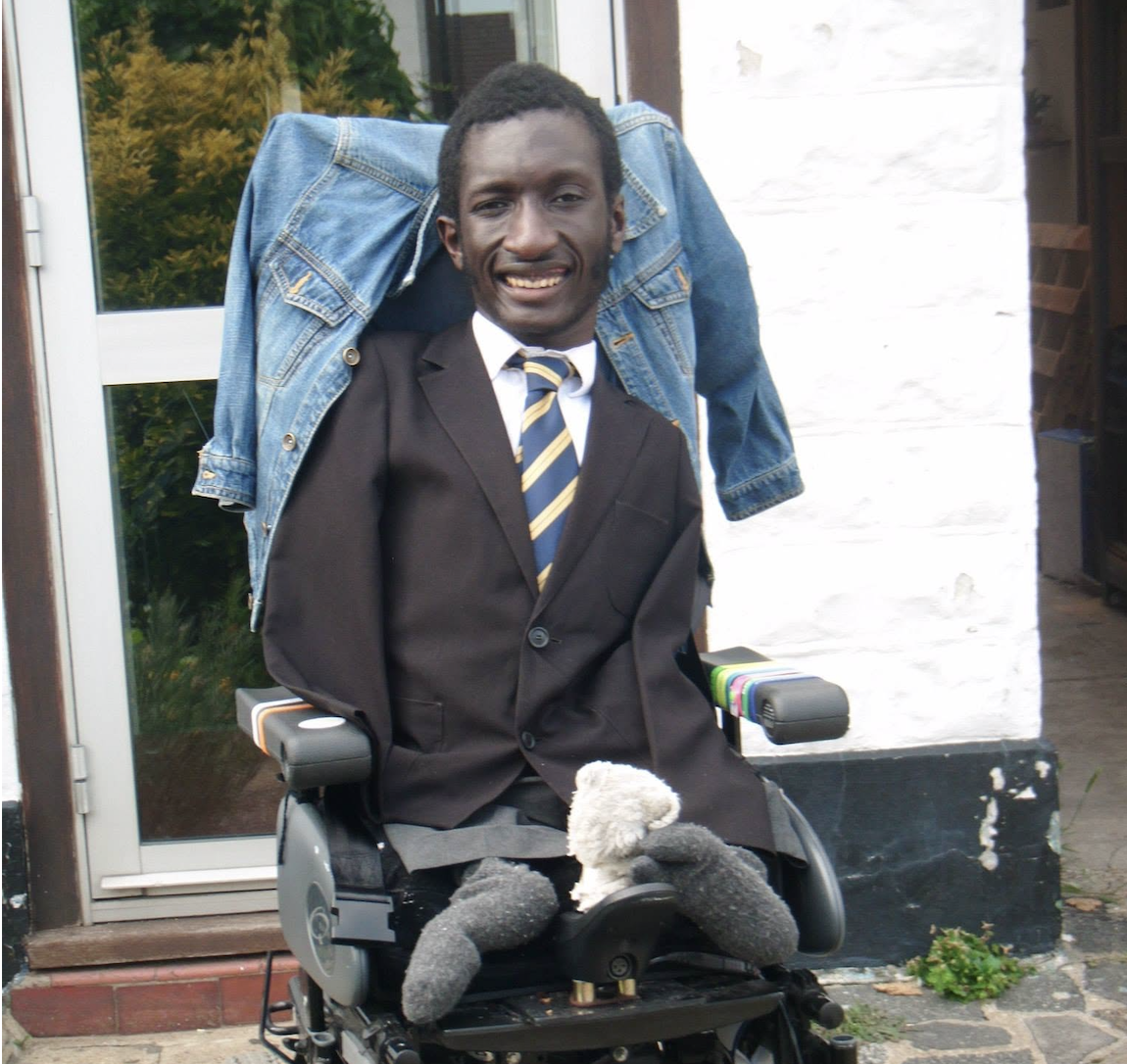
Being in an Inclusive Classroom Doesn’t Always Mean Feeling Included
Having the right facilities and support in place is one thing, but being acknowledged, respected and treated as an individual is another. In this guest article for SEND Tutoring, disability advocate Isaac Harvey MBE explores the difference between being present in a classroom and truly belonging in it.
SEN Stories
Nov 20
7 Min Read
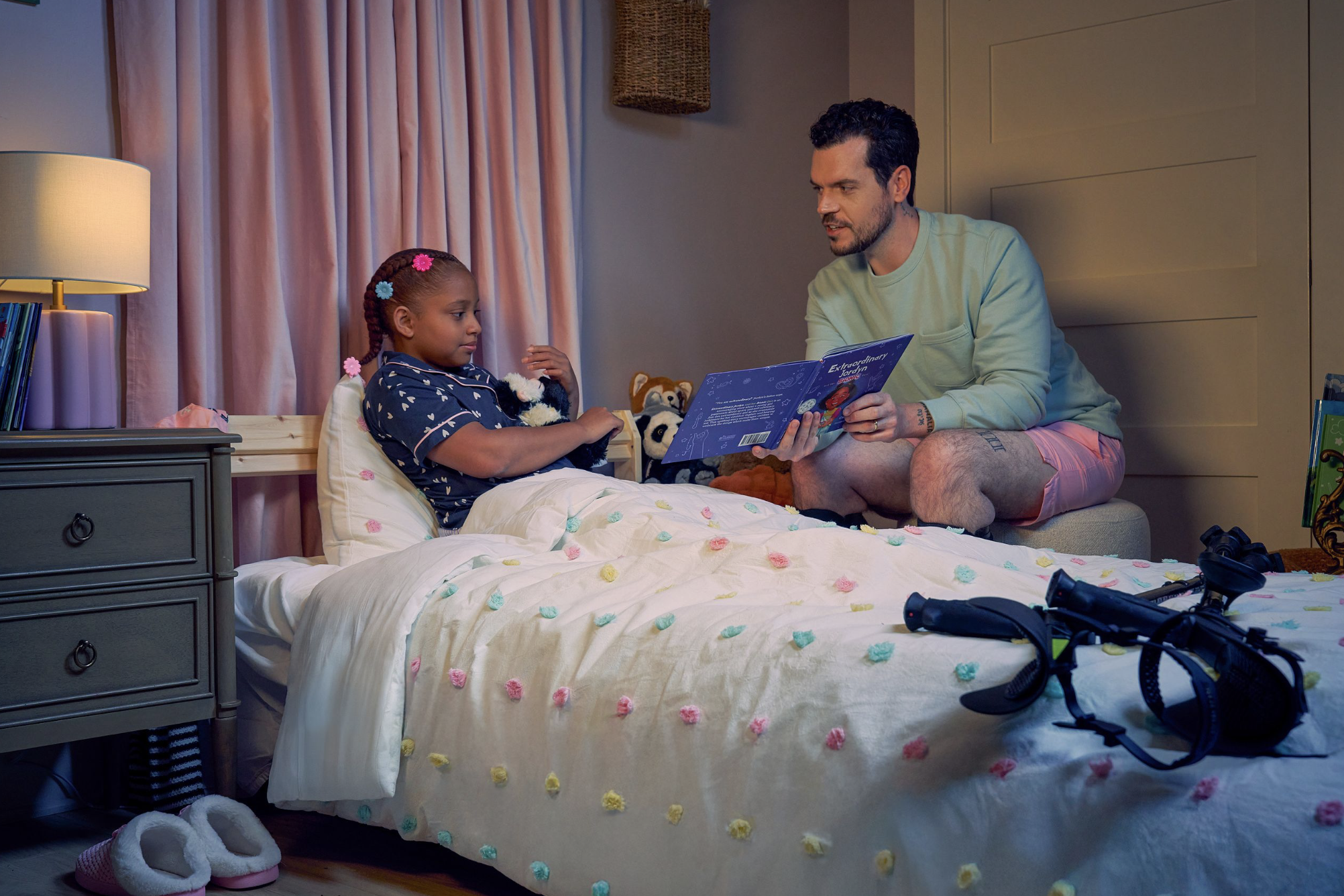
More Than Words: Making Reading Accessible for Everyone
Every Cherry Publishing is challenging the idea that everyone should experience books in the same way. From simplified text and dyslexia-friendly fonts to helpful symbols, audiobooks and signed videos, its approach is built around a simple principle: readers should have options.