Understanding Complex Learning Difficulties and Disabilities (CLDD)
In this blog post, we will explore what CLDD entails, the characteristics of individuals with CLDD, and effective strategies for supporting them.
Apr 25
Complex Learning Difficulties and Disabilities (CLDD) represent a broad and diverse range of educational and developmental challenges. Children and young people with CLDD experience multiple interrelated difficulties, which can significantly impact their learning and daily functioning. In this blog post, we will explore what CLDD entails, the characteristics of individuals with CLDD, and effective strategies for supporting them.
What are Complex Learning Difficulties and Disabilities (CLDD)?
CLDD refers to a spectrum of conditions encompassing a combination of learning difficulties and disabilities. These conditions can include cognitive impairments, sensory and physical disabilities, mental health issues, and social and emotional difficulties. The complexity of these interrelated needs means that each individual with CLDD is unique and requires a tailored approach to support.
Characteristics of Individuals with CLDD
Children and young people with CLDD may exhibit a wide range of characteristics, including:
- Cognitive Impairments: Difficulties with memory, problem-solving, and processing information.
- Communication Challenges: Delays or differences in speech and language development, difficulty understanding or using language effectively.
- Sensory and Physical Disabilities: Impairments in vision, hearing, or motor skills, which can affect mobility and daily activities.
- Emotional and Social Difficulties: Challenges in forming and maintaining relationships, managing emotions, and interacting socially.
- Behavioral Issues: Disruptive, antisocial, withdrawn behavior, frustration, anger, or aggression.
Supporting Individuals with CLDD
Effective support for individuals with CLDD requires a comprehensive and multidisciplinary approach. Here are some strategies and practices that can make a significant difference:
- Personalised Learning Plans:
- Develop individualised education plans (IEPs) that address the specific needs and strengths of the learner.
- Set realistic and achievable goals that are regularly reviewed and updated.
- Multisensory Approaches:
- Use a variety of sensory inputs (visual, auditory, tactile) to enhance learning and engagement.
- Incorporate assistive technology and adaptive tools to support learning and communication.
- Collaborative Support:
- Involve a team of professionals, including teachers, special educators, speech and language therapists, occupational therapists, and psychologists.
- Foster strong communication and collaboration between school, home, and external agencies.
- Emotional and Social Support:
- Implement social skills training and emotional regulation programs.
- Create a supportive and inclusive classroom environment that promotes positive relationships and a sense of belonging.
- Behavior Management:
- Use positive behavior support strategies to encourage appropriate behavior and reduce challenging behaviors.
- Provide clear and consistent routines and expectations to help learners feel secure and understand what is required.
- Parental Involvement:
- Engage parents and caregivers in the educational process, providing them with resources and support to assist their child at home.
- Maintain regular communication to share progress, challenges, and strategies.
Conclusion
Understanding and supporting individuals with Complex Learning Difficulties and Disabilities (CLDD) is a multifaceted challenge that requires patience, creativity, and collaboration. By recognising each learner’s unique needs and implementing tailored strategies, we can help children and young people with CLDD reach their full potential and lead fulfilling lives.
For more information on supporting children with special educational needs and disabilities, explore the following resources:
About the author
Ione Inness
Ione is the Director at SEND Tutoring and has over 20 years’ experience working with children and young people. In the last 10 years she has worked with children of varying different needs, including: Autism, Pathological demand avoidance (PDA), Attention deficit hyperactivity disorder (ADHD), Attention deficit disorder (/ADD), Social, emotional and mental health needs (SEMH), Dyslexia, Dyspraxia, Dyscalculia, Speech and language delays or difficulties, Cerebral palsy, Nonverbal, speech/communication delays, Challenging behaviour, Profound and multiple learning disabilities (PMLD), Anxiety, Cognition difficulties, Learning difficulties.
If you’re looking for support for a child or young person with special educational needs or a disability, book a free call with us today and find out how we can help.

Share this
Podcast, blog and more
More news and resources from SEND Tutoring
Support
Nov 20
9 Min Read
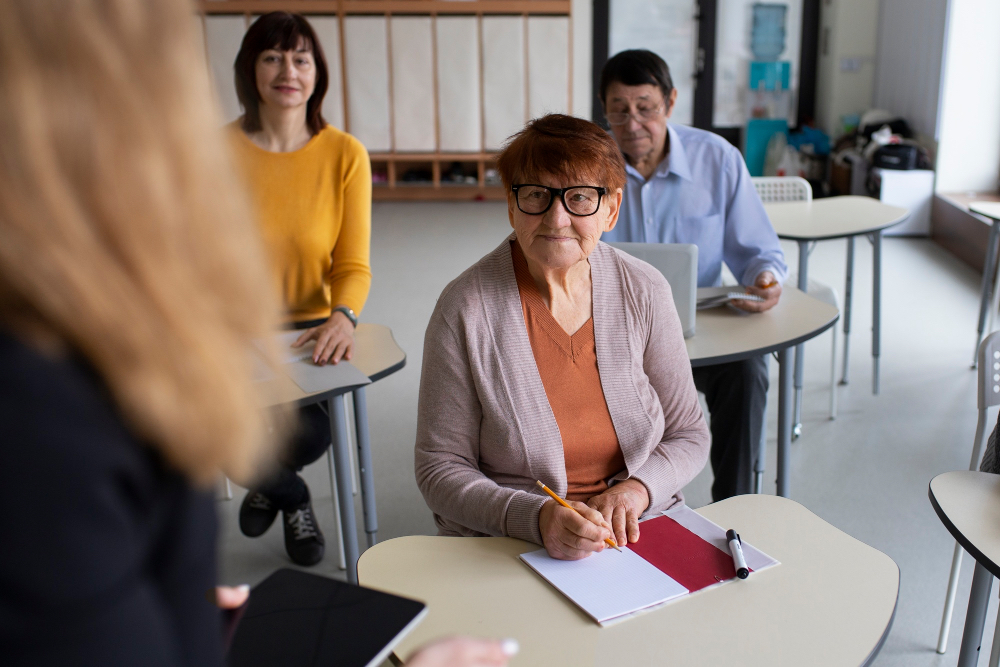
From EHCPs to School Avoidance: What Can You Learn at Sunshine Academy?
With around 300 courses and webinars covering everything from SEND rights to inclusive teaching, Sunshine Academy is bringing specialist knowledge to parents, educators and young people. We spoke to Emma Tooby-Johnstone from Sunshine Support to find out more.
SEN Stories
Nov 20
4 Min Read
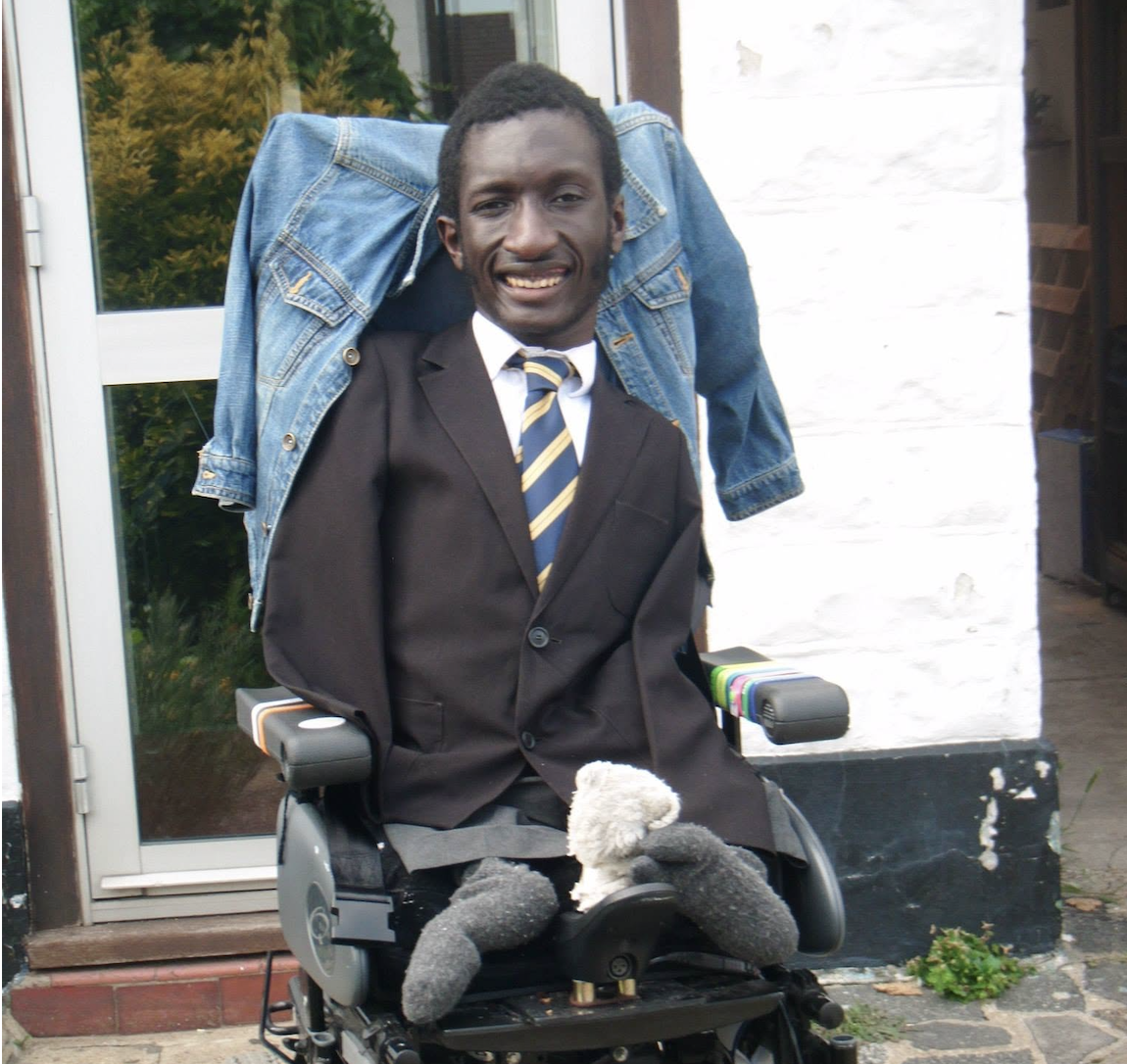
Being in an Inclusive Classroom Doesn’t Always Mean Feeling Included
Having the right facilities and support in place is one thing, but being acknowledged, respected and treated as an individual is another. In this guest article for SEND Tutoring, disability advocate Isaac Harvey MBE explores the difference between being present in a classroom and truly belonging in it.
SEN Stories
Nov 20
7 Min Read
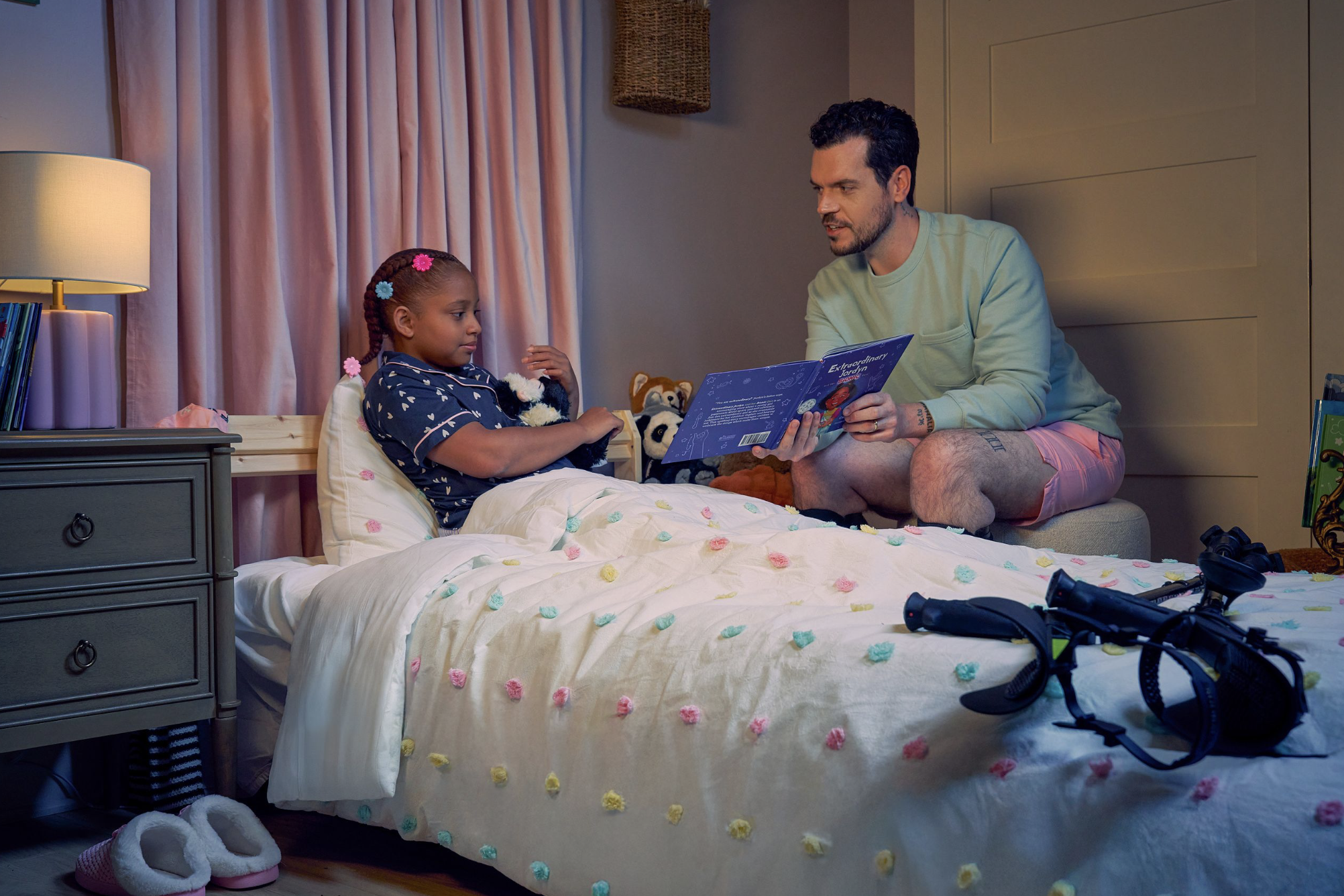
More Than Words: Making Reading Accessible for Everyone
Every Cherry Publishing is challenging the idea that everyone should experience books in the same way. From simplified text and dyslexia-friendly fonts to helpful symbols, audiobooks and signed videos, its approach is built around a simple principle: readers should have options.